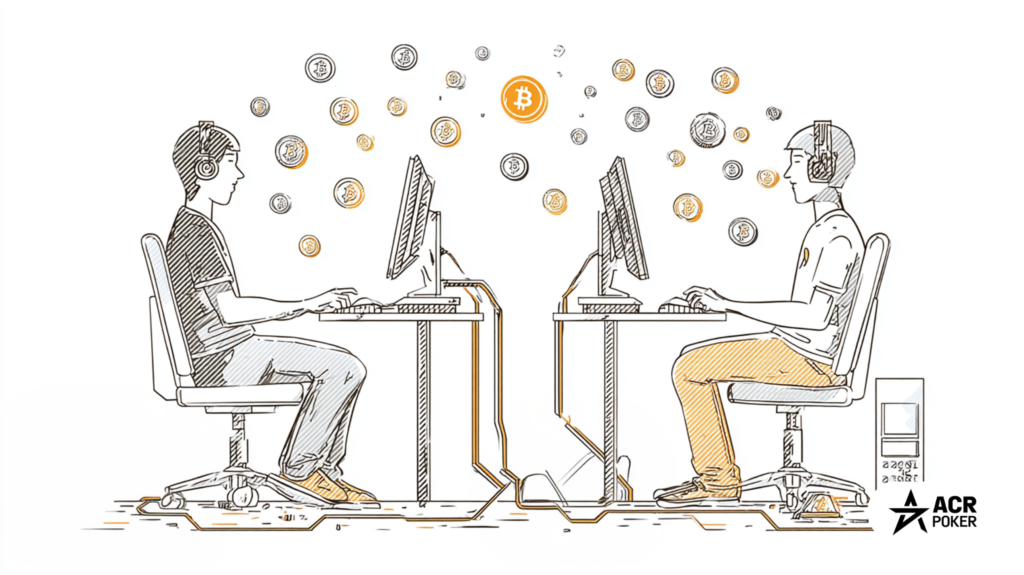
Blockchain-powered casinos are certainly moving from niche curiosity to mainstream discussion. As digital currencies gain broader acceptance, crypto casinos are really redefining trust, speed and transparency in online gambling.
“The global cryptocurrency market cap today is $3.29 Trillion, a -0.3% change in the last 24 hours and -12.48% change one year ago. As of today, the market cap of Bitcoin (BTC) is at $1.87 Trillion, representing a Bitcoin dominance of 56.69%. Meanwhile, Stablecoins’ market cap is at $313 Billion and has a 9.5% share of the total crypto market cap” (coingecko.com, 2025)
The global gambling industry is clearly undergoing a noticeable shift as crypto-casino platforms attract increasing attention from players, operators and regulators alike. Built on blockchain technology and powered by decentralized payment systems, these platforms are very much reshaping how trust is established online. Rather than relying solely on traditional intermediaries, crypto casinos use cryptographic verification and transparent ledgers to support fairness, security and faster transactions.
This evolution comes at a time when players are demanding greater control over their funds and clearer insight into how games operate. Blockchain-based systems promise provable fairness, streamlined payments and a more open ecosystem. As adoption accelerates across Europe and beyond, crypto casinos are emerging as a defining force within the modern gambling landscape.
Blockchain Transparency and Provably Fair Gaming
One of the most widely discussed advantages of crypto casinos is transparency. Blockchain technology records transactions and game outcomes on immutable ledgers, allowing players to verify results independently. This concept, often referred to as “provably fair” gaming, enables users to confirm that outcomes have not been manipulated after the fact.
For many players, this level of openness addresses long-standing concerns around trust. Instead of relying purely on operator assurances, users can review cryptographic hashes and algorithms that validate each wager. While the technical aspects may not appeal to every casual player, the presence of verifiable systems adds a layer of accountability that aligns closely with broader trends toward digital transparency.
Faster Payments and Reduced Friction
Another factor driving interest in crypto casinos is the efficiency of digital currency transactions. Traditional online casinos often depend on banks or payment processors, which can introduce delays, fees and geographic limitations. In contrast, blockchain payments are typically processed within minutes and can be accessed globally.
Bitcoin and other cryptocurrencies allow players to deposit and withdraw funds without disclosing extensive personal banking details. This appeals particularly to users seeking faster payouts and fewer intermediaries. Industry commentary from technology-focused publications such as Crypto Canvas Frontiers has highlighted how decentralized finance tools are influencing online entertainment sectors, including gambling, by prioritizing speed and user autonomy.
Growing Interest Among Irish Players
Ireland has seen growing curiosity around crypto-enabled gambling, especially as digital currencies become more familiar to everyday users. While crypto casinos still operate within evolving regulatory frameworks, interest continues to rise as players explore alternative payment methods and blockchain-based platforms.
Those researching the space can find a leading selection on this page, with a detailed bitcoin casino Ireland guide offering insight into the sector. Expert-reviewed real money casino lists are curated to highlight the best operators that support Bitcoin, focusing on reliability and player experience. With bonuses surpassing the €1,000 mark and some casinos stocking more than 7,000 games, there is a wide variety of choice available. Comparison platforms such as casino.org help outline these options by assessing game libraries, payment methods and overall platform standards, drawing on information from licensed operators.
Game Variety and Platform Innovation
Crypto casinos are no longer limited to a narrow selection of novelty games. Many now host extensive libraries that rival and in some cases exceed those of traditional online casinos. Slots, live dealer tables, crash games and blockchain-native formats are all commonly available.
Innovation is also evident in how platforms are designed. Wallet-based logins, decentralized identity tools and smart contract-powered bonuses are becoming more common. These features allow casinos to automate promotions and payouts while reducing administrative overhead. For players, this can translate into smoother experiences and more precise bonus terms, as conditions are often enforced directly through code rather than manual oversight.
Security, Privacy and Responsible Play
Security remains a central consideration as crypto casinos expand. Blockchain technology itself offers strong protection against tampering, but platform-level security still depends on responsible operator practices. Reputable crypto casinos invest heavily in encryption, cold storage for digital assets and regular security audits.
Privacy is another draw. Cryptocurrency transactions generally require less personal information than traditional banking methods, which appeals to users seeking discretion. At the same time, leading platforms balance privacy with safeguards designed to promote responsible play. Tools such as spending limits, self-exclusion features and transparent transaction histories are increasingly integrated into crypto casino ecosystems.
Regulatory Attention and Future Outlook
As crypto casinos gain global traction, regulatory interest is growing. Jurisdictions across Europe are evaluating how existing gambling frameworks apply to blockchain-based platforms, particularly around licensing, consumer protection and anti-money laundering standards. While approaches differ by region, the overall trend suggests closer scrutiny rather than outright resistance.
Looking ahead, crypto casinos are likely to play a significant role in shaping the next phase of online gambling. Their emphasis on transparency, efficiency and technological innovation aligns with broader digital trends influencing finance and entertainment. As blockchain tools mature and regulatory clarity improves, crypto-enabled platforms may continue to bridge the gap between traditional online casinos and decentralised digital ecosystems.