Bitcoin & Ethereum Price Action
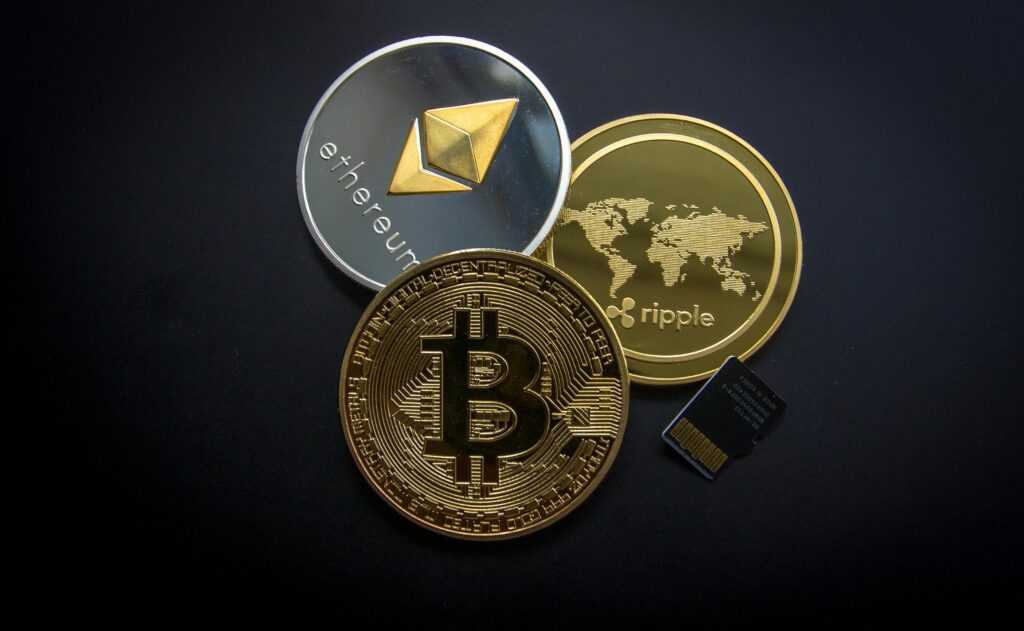
Over the last month, Bitcoin (BTC) has held above the $30K line, with brief pushes toward $34K sparking short term rally chatter. Ethereum (ETH), meanwhile, has been hovering between $1,700 and $1,950 showing strength, but still shadowing Bitcoin’s moves. Traders keeping a close eye on BTC’s $32.5K resistance and ETH’s $2K psychological barrier haven’t seen clean breakouts yet, but volatility on both sides is increasing.
Volume has been twitchy. On days with stronger institutional buying rumors or ETF updates, BTC’s trading volume spiked by over 20%, hinting at real capital flow not just retail FOMO. Drops in weekend liquidity are still creating mini flash crashes, particularly on alt heavy exchanges, which continue to impact ETH price swings.
In short: BTC and ETH are steady, but not sleepy. Momentum is simmering just under key levels. If volume consistently picks up, especially mid week, we’re likely to see fresh moves. Until then, traders are playing defense, watching for the next trigger signal.
Institutional Moves Worth Watching
Institutional interest in crypto didn’t just survive 2023 it got smarter. Over the past month, several key moves have signaled where the big money leans. We’ve seen notable fund inflows into crypto focused ETFs following fresh approvals in both the U.S. and parts of Asia. These vehicles, especially the spot Bitcoin ETFs, aren’t just narrative fluff anymore they’re becoming viable gateways for traditional funds to get exposure.
Some household name banks and hedge funds are stepping deeper in too not just allocating capital, but actively building crypto teams and infrastructure. Goldman Sachs and BlackRock have quietly expanded their blockchain research arms, while smaller players like ARK Invest and VanEck are doubling down on digital assets with new ETF strategies. Even amid pullbacks, this kind of long view positioning suggests institutions are done treating crypto as a passing experiment.
The result? Institutional confidence continues to anchor the market’s direction. When volatility strikes retail sentiment, these heavyweight inflows offer stabilization that wasn’t there a few years ago. It doesn’t mean price floors are guaranteed but it does mean the landscape is maturing, and fast.
Altcoin Standouts & Shakeups

Altcoins didn’t sit still this month. A few names broke out from the pack, bucking sideways market trends by solving real problems or riding new narratives. Arbitrum (ARB) rallied off strong Layer 2 ecosystem growth, helped by surging user activity and ongoing incentives. Meanwhile, Render Token (RNDR) kept climbing thanks to buzz around distributed GPU rendering especially as AI related demand continues to snowball across networks.
Not every project had a good time. Multichain (MULTI) was delisted from multiple exchanges following growing concerns about its leadership’s disappearance and continued technical red flags. Likewise, some smaller Meme coins saw major pullbacks as attention shifted toward tokens with more utility. The signal’s getting louder than the noise.
New entrants? A few promising names are starting to make waves. Celestia (TIA), which focuses on modular blockchain infrastructure, has picked up traction with developers. It’s still early, but utility and scalability are clearly grabbing attention. Same goes for projects like RedStone and Fuel, laddering into relevance by focusing on speed, modularity, and interoperability. If 2021 was about hype, 2024 is demanding more substance and investors are responding.
Altcoin cycles are getting shorter and sharper. Projects that can’t evolve get weeded out fast. But the ones that pair innovation with smart execution? They’re setting the pace.
Regulatory & Legal Developments
A Month of Tightening Oversight
The past month saw critical regulatory actions that continue to shape the future of the crypto space. From heightened U.S. enforcement to international guidance frameworks, the legal landscape is evolving faster than many projects can adapt.
Key Actions and Announcements
SEC Crackdowns Continue
The U.S. Securities and Exchange Commission (SEC) intensified its scrutiny of token offerings and central exchanges. Several ongoing investigations centered on unregistered securities and staking as a service models.
CFTC Weighs In on Market Conduct
The Commodity Futures Trading Commission (CFTC) issued fresh guidance around derivatives and leveraged products, emphasizing platforms that market these tools to retail investors.
Global Alignment Efforts
Regulators across the EU, Asia, and South America advanced new frameworks aimed at harmonizing crypto laws. The Markets in Crypto Assets (MiCA) regulation in the EU officially entered an implementation phase, prompting exchanges and stablecoin issuers to ramp up compliance readiness.
What This Means for Global Adoption
Greater Legal Clarity = More Institutional Entry
Clearer legal structures make crypto less risky from an enterprise and institutional perspective, paving the way for wider market participation.
Compliance Becomes a Competitive Edge
Projects that proactively meet global standards are better positioned to attract long term users and partners.
Short Term Volatility, Long Term Stability
While regulation often introduces initial market friction, the long term trajectory favors trust, transparency, and more sustainable growth.
For ongoing updates, stay connected with the latest blockchain news.
Innovations & Ecosystem Updates
Ethereum continues to evolve, pushing forward with updates aimed at scalability, lower gas fees, and smoother developer experience. The latest network upgrade sharpened performance and gave more breathing room to Layer 2 solutions. Rollups like Optimism and Arbitrum are picking up speed, not just in speed but in user adoption. If it isn’t already obvious: Ethereum’s strength now lives in its ecosystem, not just its base layer.
DeFi platforms are trying to move past the hype and build real utility. We’re seeing an uptick in projects experimenting with cross chain lending, decentralized identity, and permissionless staking. There’s less talk of flashy token launches and more grit behind actual functioning products.
The NFT space is also maturing. Infrastructure is catching up: fractional ownership, metadata permanence, and smoother on ramps are giving artists and devs better tools. Platforms that once focused on collectibles are now exploring legal licensing, gaming integration, and real world asset tokenization.
Under all this, developer activity is steady. Tools are shipping. Dev shops are focusing less on speed to launch and more on security, compliance, and user flow. It’s less Wild West, more focused frontier.
Catch more depth in the latest blockchain news
Key Takeaways for Traders & Builders
The macro picture isn’t noise it’s signal. Inflation trends, interest rate moves, and global political shifts are still playing defense against broader crypto adoption. But volatility creates moments of clarity. Traders who track macro indicators like the Fed’s tone, bond yields, and emerging market capital flows can better spot the turning points ahead of time.
In the short term, Layer 2 protocols and cross chain interoperability are generating real traction. Builders leaning into these spaces especially those prioritizing user experience are positioned to ride the next cycle of utility driven demand. In contrast, meme coins and hype based projects are running shorter cycles, with less cushion when sentiment shifts.
Mid term, we’re seeing increased market alignment around regulation ready assets and on chain infrastructure designed to scale. That’s a green light for developers who see compliance as a feature, not a flaw.
Bottom line: Fundamentals still pay. A clean smart contract, efficient gas usage, active governance, clear tokenomics these are more than specs. In this climate, they’re differentiators.