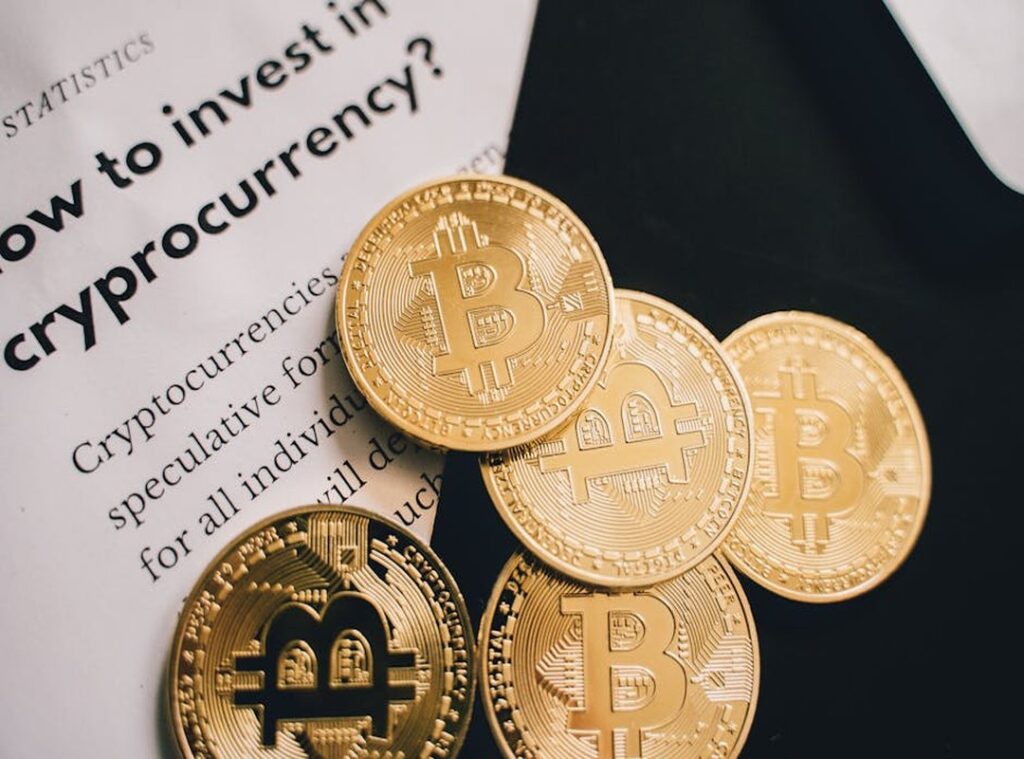
You hear someone say “Bitcoin” or “blockchain” and your brain just shuts off.
Yeah. That’s normal.
I’ve watched it happen hundreds of times (in) coffee shops, Zoom calls, even at family dinners. People nod along while secretly wondering if they’re the only ones who don’t get it.
They’re not.
This isn’t a test. You don’t need to know coding. You don’t need a finance degree.
You definitely don’t need to memorize ten new words before breakfast.
I’ve helped total beginners set up their first wallet. Send their first transaction. Recover from sending crypto to the wrong address (it happens).
All without jargon.
That’s why Drhcryptology Crypto Guide by Drhomey exists.
It starts with what money actually is. Not what textbooks say, but what you feel in your hand and see in your bank app.
Then it walks through how digital currency flips that idea on its head. No metaphors. No “it’s like digital gold” nonsense.
You’ll learn what makes crypto different from PayPal. Why “decentralized” matters (and when it doesn’t). What can go wrong (and) how to avoid it.
No hype. No pressure to buy anything. Just clear next steps.
You’ll walk away knowing whether this is worth your time. And exactly how to start safely.
That’s the only promise I make.
What Is Cryptocurrency (Really?)
It’s digital money. Not plastic. Not pixels pretending to be cash.
It’s code you own. And no bank can freeze it.
I’ve watched people call it “magic internet money” and roll their eyes. (They usually haven’t tried sending $200 to Nairobi in 90 seconds for $0.47.)
Cryptocurrency runs on cryptography, not trust in institutions. That changes everything. You don’t beg a middleman to verify a payment.
You prove it yourself, using math everyone can check.
Bitcoin? Fixed supply. No one adds more.
Stablecoins? Pegged to the dollar. Useful, but backed by something real (or at least claimed to be).
Utility tokens? Let you vote in a DAO or open up features in an app. Different tools.
Same foundation.
There are no coins. No bills. Just shared ledgers (public,) tamper-resistant records of who owns what.
And no, it’s not just for speculators. Migrant workers send remittances home with lower fees. Writers get paid per article via crypto micropayments.
Real stuff.
The this resource guide cuts past the noise. It’s the only Drhcryptology Crypto Guide by Drhomey I recommend. Not because it’s perfect, but because it refuses to treat you like a beginner who needs hype.
You don’t need to believe in Bitcoin to use it.
You just need to understand what it does.
How Blockchain Powers Trust (Without) Middlemen
Blockchain is a shared record book. Not magic. Not the cloud.
Just a public, collaborative spreadsheet everyone can see (and) no one can erase.
I open it right now. You open it too. We both see the same thing.
That’s the core idea. It’s not about tech. It’s about who controls the ledger.
Say you send $20 in crypto to your cousin. That transaction goes out to the network (not) to a bank, not to PayPal. People running software (called nodes) check if it’s valid.
Is the signature real? Does the sender have enough?
Then they bundle it with others into a block. They solve a puzzle to add it. (Proof-of-work does this the hard way.
Proof-of-stake does it by staking coins instead.)
Once added? It’s permanent. No undo button.
Decentralization means no single entity calls the shots. No CEO. No regulator.
No customer service rep to call when things go sideways. You lose chargebacks. But you also lose censorship.
Transparency and security come at a cost. Slower transactions. Higher energy use (especially with older methods).
It’s not perfect. But it works. Without trust in people.
Want to go deeper? The Drhcryptology Crypto Guide by Drhomey walks through this step-by-step. No jargon.
No fluff. Just how it actually runs.
Most people don’t realize how much control they give up (just) to get convenience. I did that for years. Then I stopped.
Wallets, Keys, and Why You’re the Bank (and the Risk)
I used to think “my Bitcoin” meant whatever showed up in my Coinbase balance. Turns out? That’s not my Bitcoin.
It’s Coinbase’s. With my name on a ledger they control.
Custodial wallets are like bank accounts. Convenient. Familiar.
But you don’t hold the keys. Non-custodial wallets? You do.
Which means you own it. And you lose it (permanently) — if you mess up.
Your private key is not a password you can reset. It’s more like your fingerprint. Lose it, and no one can get your funds back.
Not support. Not magic. Not time travel.
Your public key? That’s safe to share. Like an email address for money.
Senders use it. You never use it to sign anything.
Mobile wallets (Trust Wallet). Easy to use. Easy to lose your phone.
Hardware wallets (Ledger Nano). Safest for long-term holds. Annoying to use daily.
Browser extensions (MetaMask). Great for DeFi. Also a magnet for phishing scams.
Not your keys, not your crypto. I watched someone forget their seed phrase after a hard drive crash. $42,000 gone. No recovery.
No apology.
The Cryptocurrency Advice section walks through backup drills step by step.
Do those drills before you send real money.
Drhcryptology Crypto Guide by Drhomey starts there (not) with theory, but with muscle memory. Write it down. Store it offline.
Test it.
Real Risks Every Beginner Must Understand Before Sending

Volatility isn’t drama. It’s adoption lagging behind hype. It’s regulators waking up.
It’s panic selling when Elon tweets.
I watched two friends buy Bitcoin in 2021. One held. One sold at a 60% loss three days later.
Neither understood volatility was baked in (not) a bug, a feature.
Phishing scams don’t wait for you to get smart. They hit before your first transaction. Fake wallet apps.
Copycat sites that look exactly like Coinbase. (Yes, even the favicon.)
You think you’re logging into Binance. You’re not. You’re typing your seed phrase into a form that emails it straight to Nigeria.
Regulatory uncertainty? That means some countries treat crypto like cash. Others treat it like contraband.
Some tax gains as income. Others charge capital gains (after) you’ve already paid income tax on the same money.
Check your local rules. Not tomorrow. Before you click “buy.”
Get-rich-quick stories are stress tests with dollar signs. Long-term holders average 3+ years. Short-term traders last 47 days.
And 68% of newcomers bail within 90 days (not) because they lost money, but because they couldn’t sleep.
The Drhcryptology Crypto Guide by Drhomey walks through all this without flinching.
Do yourself a favor: read it before you paste a wallet address anywhere.
Your First 30 Minutes: No Guesswork, Just Ground Rules
I opened my first wallet in 2017. Sent $5 to the wrong address. Lost it.
Felt stupid. You don’t have to.
Here’s what I do now. Every time.
- Spend 5 minutes on Bitcoin.org’s beginner section. Not a blog.
Not a YouTube comment. The official site. Read it like it’s your only source.
- Send $1 (exactly) one dollar (on) Ethereum’s Sepolia testnet. Free gas.
Zero risk. If it fails, try again. Don’t skip this.
- Write your 12-word recovery phrase on paper. Not Notes.
Not iCloud. Not a photo. Paper.
Lock it somewhere safe. (Yes, even if you think you’ll remember.)
If a site asks for your private key or recovery phrase? Close it. Right now.
That’s not onboarding (that’s) a trap.
Confidence comes from doing things correctly once, not rushing through ten half-baked steps.
You don’t need to know how mining works to hold bitcoin safely.
You just need to avoid the three mistakes everyone makes at minute six.
The this article covers exactly those early stumbles. No fluff, no jargon.
That’s why I keep it bookmarked.
Drhcryptology Crypto Guide by Drhomey isn’t theory. It’s what worked when I messed up.
Your First Real Cryptocurrency Question Is Already Answered
I wrote Drhcryptology Crypto Guide by Drhomey so you’d stop feeling lost.
Not dazzled. Not scared. Just clear on what a wallet is, why private keys matter, and how to move $1 without panic.
This isn’t theory. It’s your first real tool.
You don’t need permission to start. You don’t need money. You just need one action. today.
Go to Section 5. Pick one thing. Read the wallet setup guide.
Or watch the 90-second video. Do it before bed.
That’s how experts begin. With one small act. Not a big bet.
Your journey into digital currency begins not with a purchase. But with a question you now have the tools to answer.
So go. Open that guide. Right now.